
ADVANTAGES OF HYDROPONICS
Find out about the hard work British farmers do to feed the nation while also maintaining high animal welfare
standards, protecting the economy and contributing to the British economy.
An elongated cultivation period

The hydroponic approach enables year-round plant cultivation by providing the grower with control over crucial growth factors such as temperature, lighting, and nutrient supply. This system allows for the continuous production of leafy greens with the potential for multiple crop cycles throughout the year.
Enhanced growth and increased yield potential
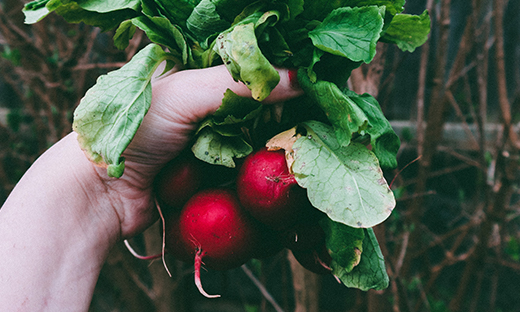
Hydroponic systems are recognized for their ability to foster accelerated plant growth and enhanced crop yields. The superior performance of these systems can be attributed to the elevated levels of oxygen present in the nutrient solution, coupled with the precisely controlled environmental variables. The augmentation of oxygen levels triggers robust root growth and facilitates more effective nutrient absorption. Consequently, plants grown under these optimal conditions experience reduced stress levels, resulting in a prolific harvest.
Efficiency to harvest mature plants

In hydroponic systems, plants are commonly cultivated on elevated surfaces such as counters, benches, and tables, conveniently positioning them at waist height for cultivators. This height allows for the effortless harvesting of mature plants, thereby increasing overall operational efficiency.
Lesser pest problems

One of the advantages of hydroponic systems is their indoor setup, which mitigates the prevalence of pests and offers controlled access points. As a result, insects find it more difficult to penetrate the system and damage the crops. Furthermore, the reduced incidence of pest infestations translates into minimal reliance on pesticides.
Can grow anywhere

In contrast to conventional outdoor gardens that necessitate ample space for plant growth, hydroponic systems offer a versatile alternative that can be accommodated within homes of varying sizes and locations.
Increasing the plant density

In traditional soil-based agriculture, strict spacing guidelines are necessary to ensure each plant has sufficient access to limited water and nutrient resources. However, with hydroponic systems providing a nutrient-rich solution to the root zone, plants can be cultivated in closer proximity to one another without experiencing root space competition.
Reduce water consumption
Despite relying primarily on water as the growth medium, hydroponic systems boast a remarkable reduction in water consumption compared to conventional soil-based methods. It is estimated that hydroponics utilizes a mere 10-20% of the water required for traditional in-ground cultivation.
Modular design in future

The nutrient film technique system is a highly recommended choice for large-scale and commercial hydroponic operations. Notably, once a single channel is established and operational, it is effortless to expand the system further.